Empowering users with on-demand support in a niche market
Estimated 5 min read
CONTEXT
DOZR is North America’s largest online equipment rental marketplace. It provides users with a digital solution to renting equipment whenever and wherever.
OVERVIEW
Throughout this project, I was responsible for generating ideas for lead acquisition, collecting insights from primary users and stakeholders, and iterating on feedback to design high-fidelity prototypes.
MY ROLE
UX Research, Interaction Design
TIMELINE
1 Month (August 2023)
TEAM
1 Designer, 1 Product Manager, 2 Engineers
CURRENTLY...
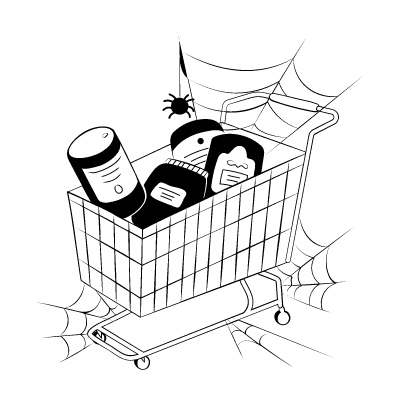
DOZR is only able to collect leads through abandoned carts.
Users on DOZR were adding equipment to their cart and getting to the point of checkout, but then dropping off.
The internal team would use the contact information filled out in checkout and reconnect with users who had abandoned their cart.
PROBLEM
Not enough users on DOZR are getting the help they need.
I realized from the get-go that this was a heavily business-motivated project. I needed to advocate for the users and understand what was in it for them.
Digging deeper, I found that the goal of the project was to connect users with the Sales team for support with successfully completing their DOZR journey.
To narrow down the problem space to focus on that notion, I came up with the following HMW:
How might we provide first-time users with timely, relevant support to build confidence in renting equipment on DOZR?
FIRST-TIME USERS
Analyzing responses to the DOZR Demand Survey.
I began by reviewing responses to a survey previously conducted by the design team to grasp what users are looking for in the product. In particular, what first-time users find valuable in DOZR.
After discussing my findings with the team, I uncovered 2 major insights.
Uncertainty around equipment
Familiarity with personal transactions
Users don’t always know the right equipment for the job, so they may appreciate support and guidance in their decision making process
Users are more familiar with the traditional phone or in-person rental process, so they may appreciate direct connection with a Sales rep

STAKEHOLDERS
Interviewing the Sales and Marketing team to understand their business goals.
It was necessary to also understand the goals of the users who would be handling these new leads coming in.
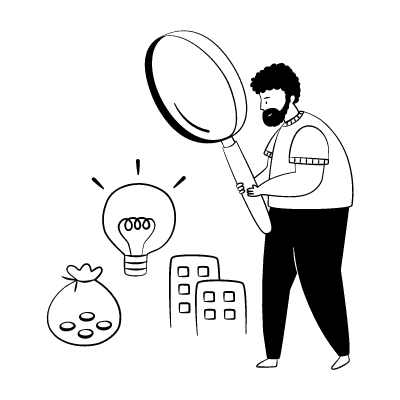
SALES TEAM
Capture the intent of the customer
Characterize leads so that they can prioritize supporting the Ideal Customer
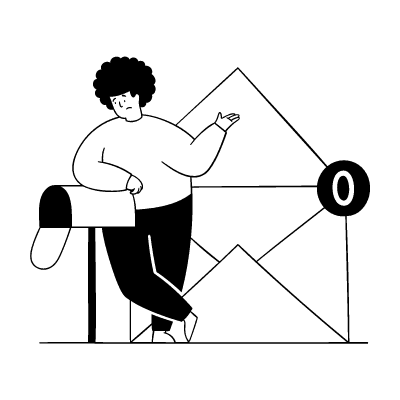
MARKETING TEAM
Collect emails
Maximize participation in their email campaigns
COMPETITIVE ANALYSIS
Researching how other e-commerce products tackle the same problem.
I then turned to a couple competitors. Looking at both marketplace platforms and equipment suppliers, I analyzed the products to uncover how they might intersect and inform how DOZR could approach solving this problem.
I gathered some common patterns I observed and shared them back with the team. After discussion, we narrowed it down to a few archetypes that were the most feasible for the DOZR ecosystem.
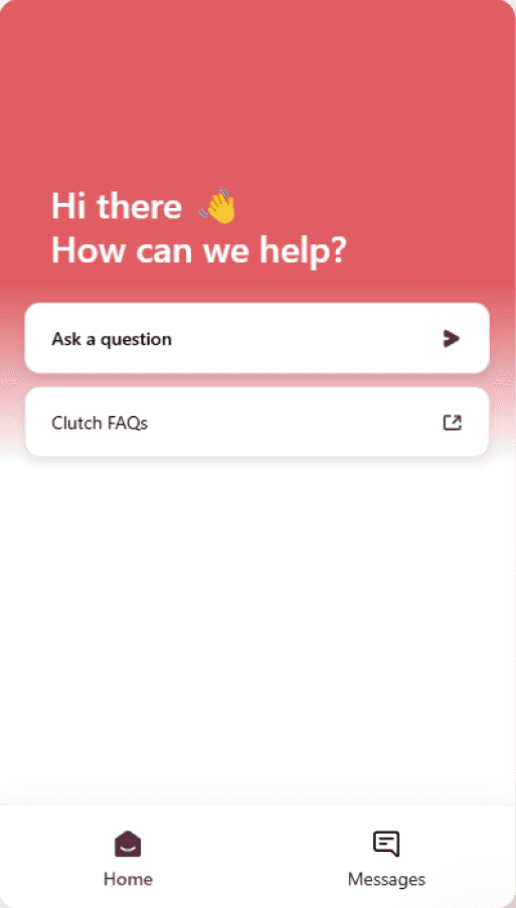
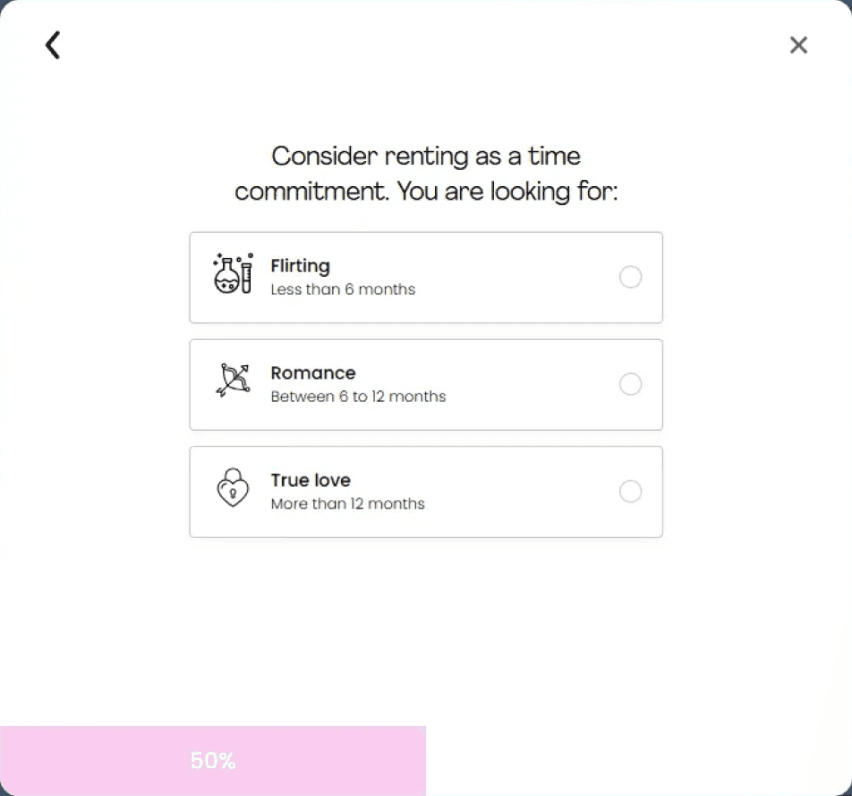
Clutch
Chats for support
Personalized recommendations
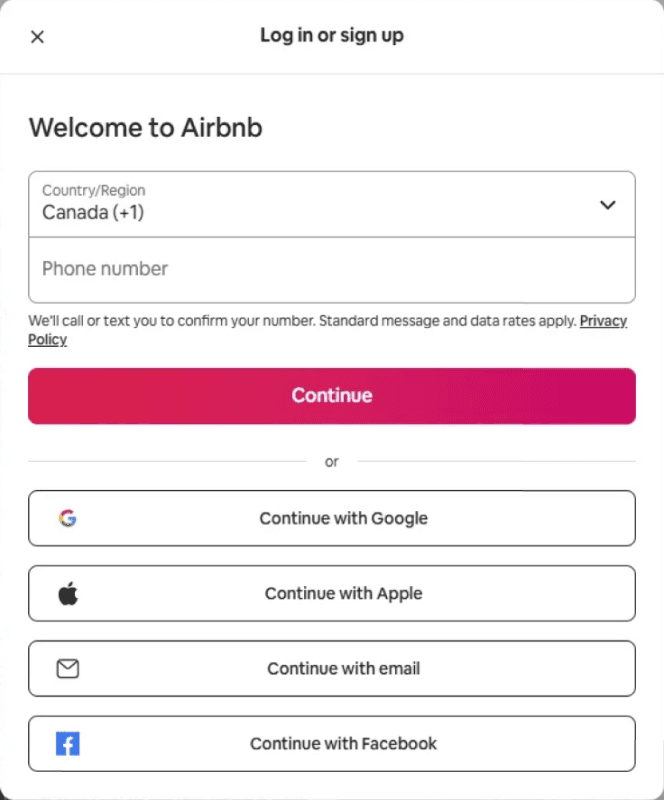
Create an account to access
Spotahome
AirBnB

Marketplace Platforms
Equipment Suppliers

CLUTCH

SPOTAHOME

AIRBNB

UNITED
HERC

SUNBELT

DOZR
SOLUTION
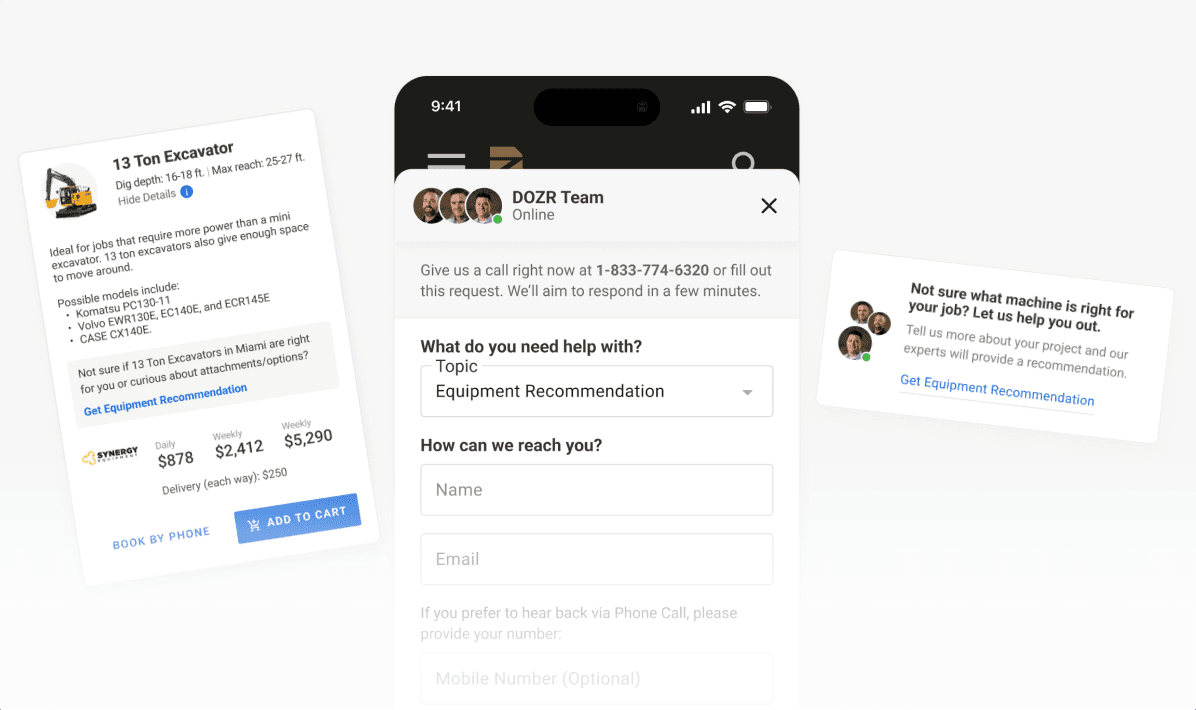
A request callback form that enables users to seek
support during their DOZR decision-making journey.
Due to constraints of the existing design system, the original design was limited in flexibility and customization. The prototype above showcases how I would have approached the design if there were no such limitations.

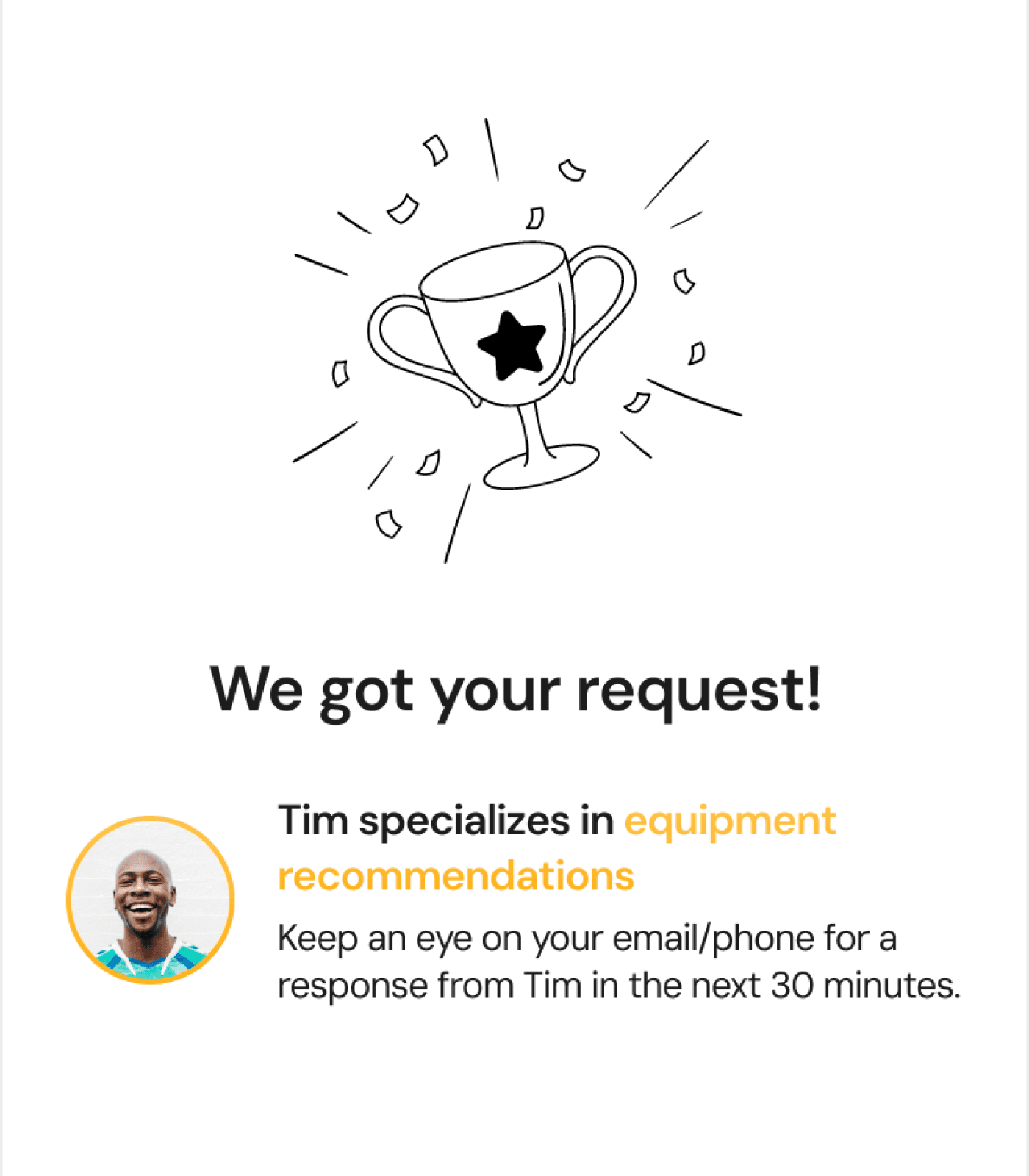
Personal and transparent availability
Use photos of Sales team members, personal language, and availability transparency to humanize the form.
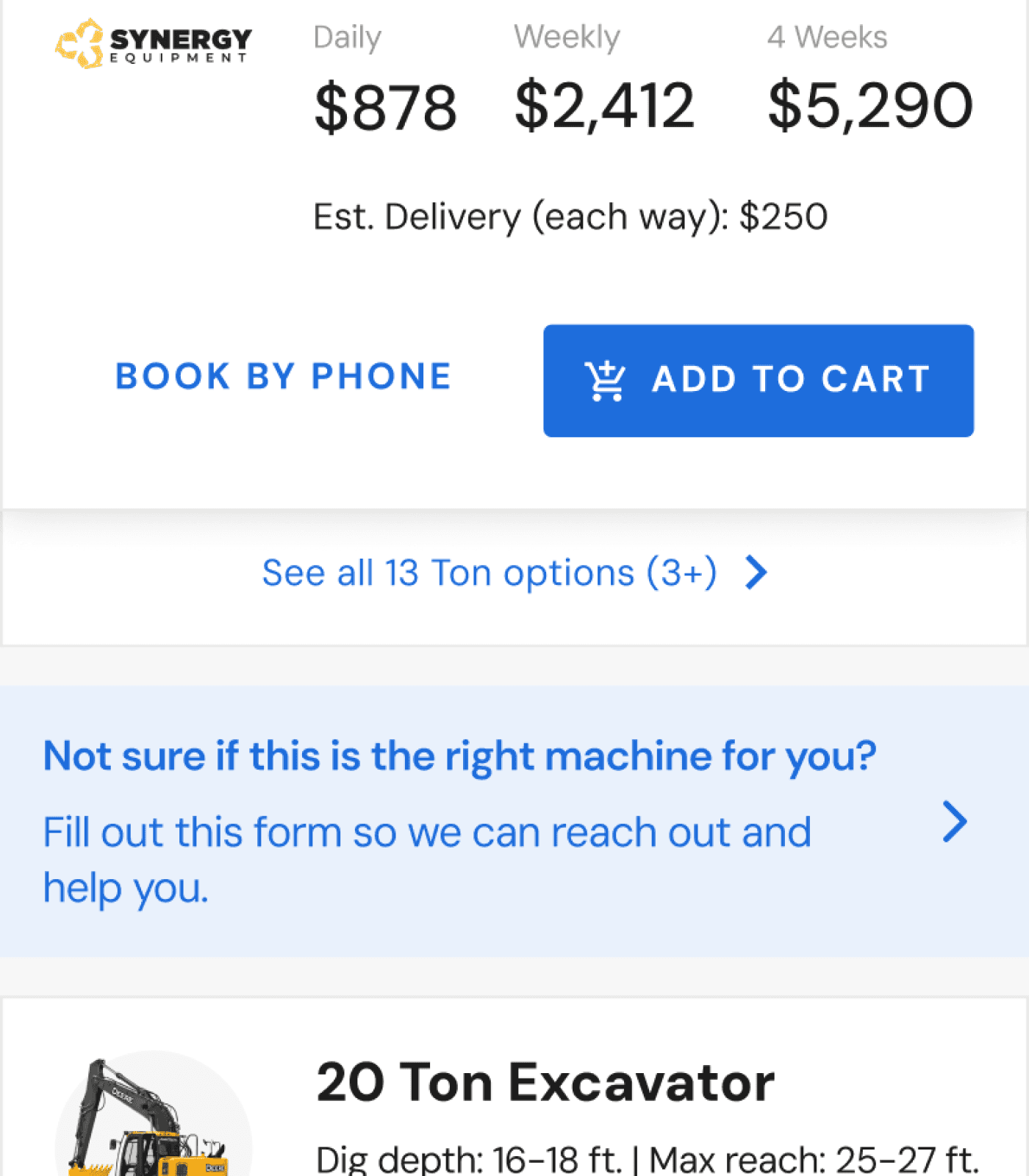
Contextual entry points
Contextual CTAs were added based on user activity, such as recommendations during browsing, for a more intuitive experience.
IMPACT
Enhanced user trust and streamlined lead capture.
Transparent Support
Users gained an intuitive and transparent way to request support, enhancing trust and clarity in the product.
Lead Generation
By opening up an additional method of collecting leads, the Sales team is able to reach and support more customers
RETROSPECTIVE
Be firm in advocating for the user
In business-driven projects, it’s tempting to compromise for profit, but as a product designer, I need to be confident in standing firm for the user. Prioritizing their needs ensures that the product not only meets business goals but also delivers a meaningful and user-centric experience.

Spend more effort on visual design
The focus of the project was initially on defining what to design and how to execute it, given the fast-paced, experimental nature. However, I recognize missed opportunities to refine the visual design. In future projects, I’d allocate more time to intentionally refine the visuals to attract users and improve usability, ensuring a more cohesive and engaging experience.
The End
Interested in teaming up?